When was the last time you caught yourself thinking that you seemingly have it all: family, career, decent health, friends, yet something is just off, and you are not happy? You are not alone. According to Buddha’s teaching, human suffering is universal. It is an innate characteristic of existence. Everybody goes through hard times, regardless of how rich or poor, successful or unsuccessful, healthy or unhealthy you are. The suffering stems from our attachment to things and associated desire and craving. At the same time, we also experience the aversion towards the unpleasant or unwanted life events. Both craving and aversion result in us losing the equilibrium of our mind leading to suffering.
The suffering stems from our attachment to things and associated desire and craving.
Long before apps like Headspace, people have been looking for ways to eliminate this suffering and lead happier lives. Buddha was not an exception. He, however, had most persistence of all in search for a universal tool to minimise suffering. Having spent a lot of time under a tree, he discovered a technique called Vipassana. It is one of the oldest Buddhist meditation practices that was almost lost but rediscovered again in the 18th century in Burma. Today, with growing awareness of the benefits that meditation brings, the popularity of Vipassana is growing faster than ever and it is taught all over the world. Anyone can sign up for a course and learn how live a happier life.
In a nutshell, Vipassana teaches you to methodically observe your bodily sensations, both pleasant and unpleasant, and exercise equanimity. In other words, it teaches you how to not react to things with craving and aversion. Many philosophies and teachings are based on the notion of not reacting to things. But, of course, it is easier said than done. If you are in the middle of a quarrel, getting yourself out of the state of anger proves virtually impossible. So, while ‘do not react to things’, is a good advice, in practice, it is hard to follow. The good news is that Vipassana addressed precisely that – it is very practical. It does not simple teach you not to react to things. It teaches you how to do that. By regularly practicing Vipassana, you will change the behavioural pattern of your mind on the deepest level. That means, next time you are in the middle of a fight, you are a lot less likely to react with the same amount of anger as before.
Vipassana teached you how to not react to things with craving and aversion.
Sounds intriguing? It gets better. You can learn Vipassana free of charge (although a charitable donation is expected upon the completion of the course) and get a lot of other benefits along the way. It comes with one condition – to learn the technique, you must complete a 10-day course. In complete silence, with no contact to the outside world, following a very strict schedule.
I first heard about Vipassana from a colleague 5 years ago. At a time, I was an aspiring meditator desperately trying to do at least 10 minutes of meditation a day. I wanted to get more serious with my meditation but didn’t know how to progress beyond those 10 minutes a day. When I read about Vipassana it sounded right up my street, but 10 days of silence seemed scary. I thought I could just join a group in London and see if it is for me before signing up for a full 10-day course. But it appeared not to be an option. 10-days is a must and there is a very good reason for that. Vipassana works so well because you learn it through experience and not just on a theoretical level. Have you ever touched a hot kettle? I bet you remember vividly how painful it was. And no one would make you touch one again. This is precisely why learning through experience is so powerful. And Vipassana is taught following the exact same logic – you must go through the experience, no short cuts.
And so, I gathered my courage and signed up. The first course I did was at a meditation centre Dhamma Dipa in Herefordshire, UK. I remember vividly, when I arrived, I met a lot of people who were doing the course for the second, third and fourth time. Madness, I thought. Why would one torture themselves like this more than once? Little did I expect I would end up doing the course again in just over two years. Why did I do it twice? Doing a Vipassana course was one of the hardest, yet one of the most rewarding experiences in my life.
When I arrived, I met a lot of people who were doing the course for the second, third and fourth time. Madness, I thought. Why would one torture themselves like this more than once?
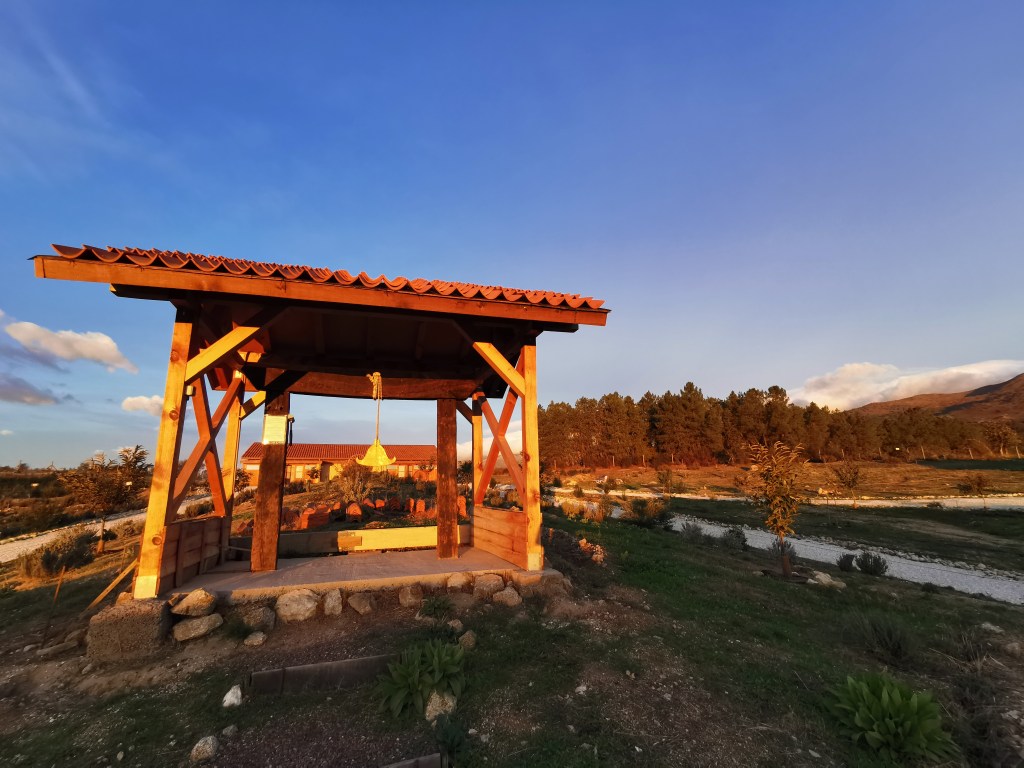
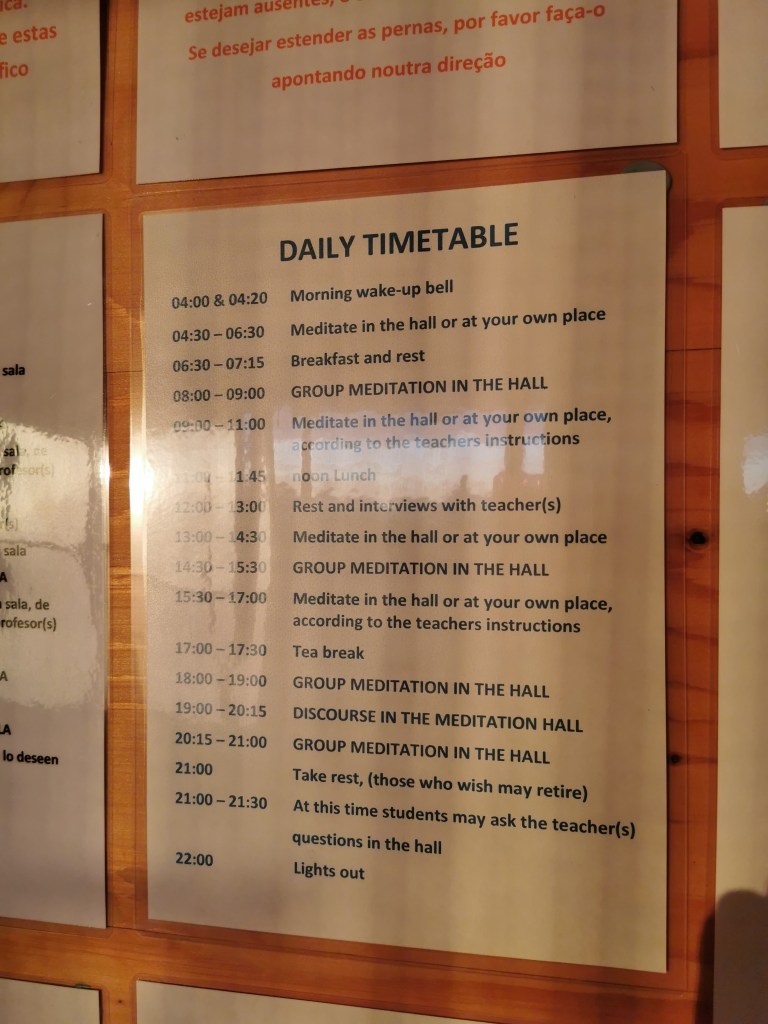
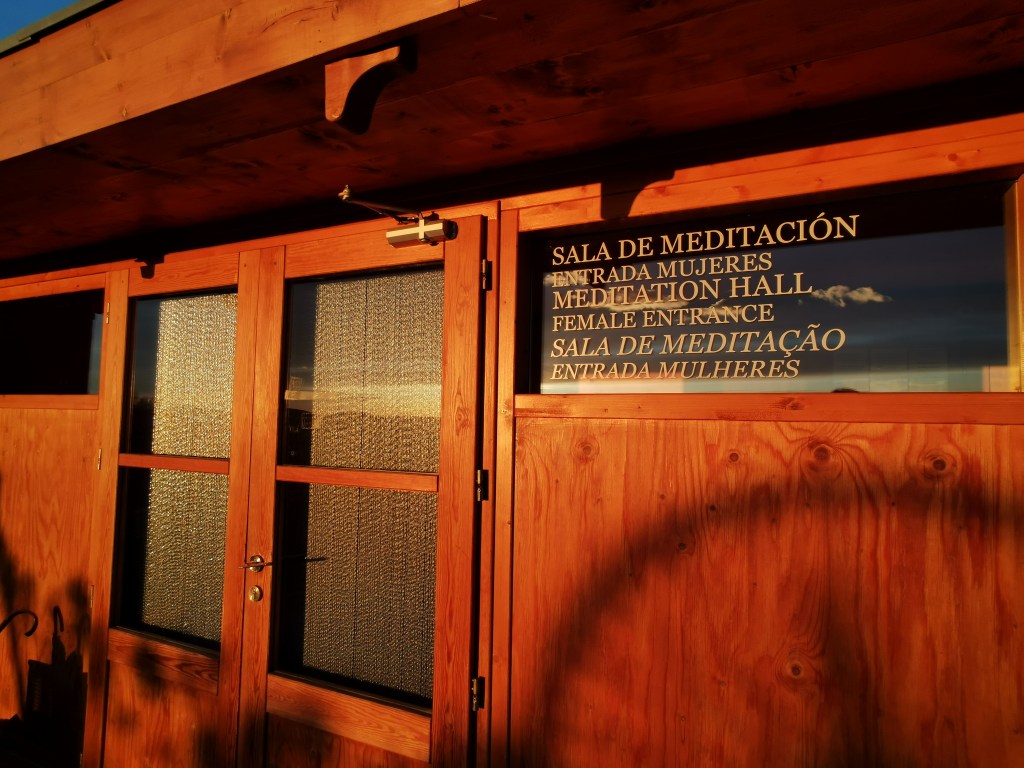
The first time I signed up for it I was going through a divorce. I was desperate for anything that could help me deal with the pain. In the western world we don’t like dealing with the pain head on. We end up doing anything to avoid it instead: travel, call friends, binge watch Netflix. Such an approach, while might seem effective in the short run, fails to offer sustainable long-term results. Why? Because you distract yourself from the feelings instead of dealing with them. All they do is bottle up only to manifest in a depression or insomnia few years down the line. Spending 10 days in a remote meditation centre in silence leaves you no space for distraction. You are asked not to take anything with you apart from clothes and personal hygiene items. Upon arrival, you leave your phone, earphones, Kindle, writing materials and anything else you might have, in the locker. Men and women are segregated, and you only interact with people of your own sex. Everyone is asked to dress modestly and not to interact with each other in any way, not just verbally. All you do for 10 days is sleep, eat, meditate and take short walks in the dedicated area.
All you do for 10 days is sleep, eat, meditate and take short walks in the dedicated area.
That is a lot of time with no distractions to deal with everything you haven’t dealt with in years. While thinking is not the purpose of meditation, you can’t help it. During the 10 days I have remembered what feels like everything that happened to me over lifetime. Childhood memories, dreams about the future, endless ‘to-do’ lists, past regrets, future hopes, things I must remember to Google when I get home, you name it. It was shocking to realise how many unprocessed thoughts and feelings I had. Some were recent and expected (divorce!) and some were a complete surprise. During the first course I cried a lot, every day, few times a day. Apparently, most people do, as I found out on the last day when you can talk to each other. It can be agonising, but cathartic at the same time. Like pressing a ‘reset’ button on your phone. It’s annoying to wait while it restarts, but once it does, everything works perfectly again.
It can be agonising, but cathartic at the same time. Like pressing a ‘reset’ button on your phone. It’s annoying to wait while it restarts, but once it does, everything works perfectly again.
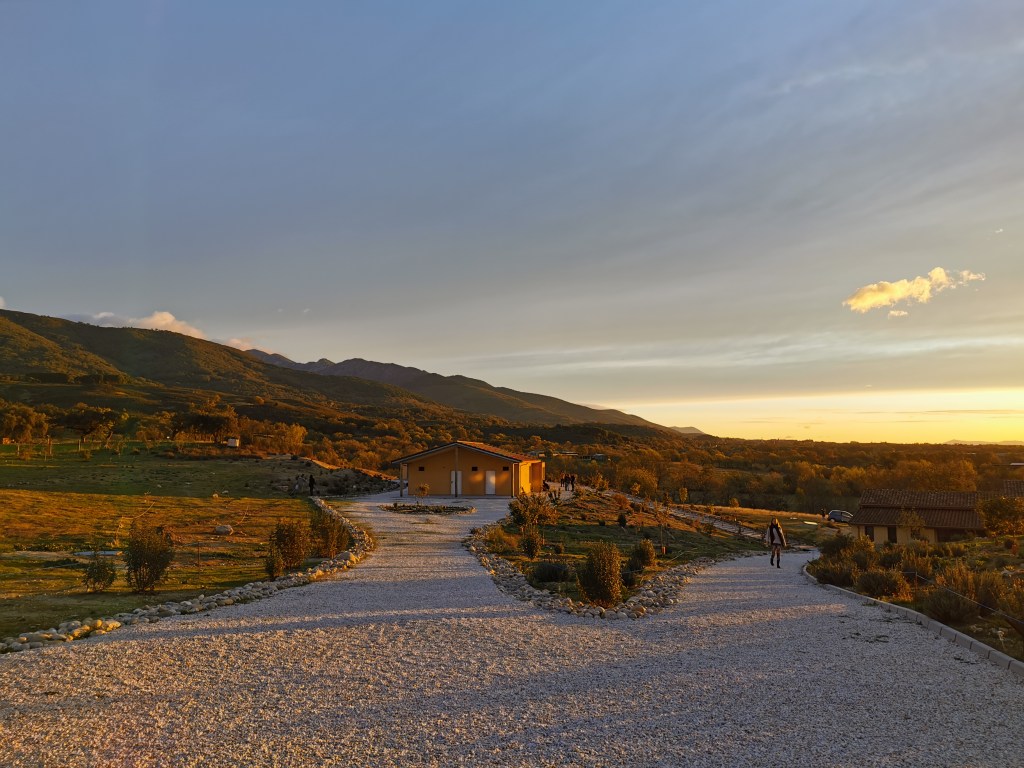
Staying silent is what most people fear most when signing up for a Vipassana course. Yet it was the easiest thing for me to do. And even somewhat liberating. You do not need to be nice or polite. You do not need to be someone or behave in a certain way. You just are, the way you are. Simply living in the purest possible way. In the beginning of the course you take 5 precepts: 1) to abstain from killing any being (there are ‘fly catcher’ jars all over the centre to assist with that; 2) to abstain from stealing; 3) to abstain from all sexual activity; 4) to abstain from telling lies (hence the silence); and 5) to abstain from all intoxicants. You stick to a very strict schedule that leaves very little ‘me time’, eat wholesome vegetarian food twice a day (yes, losing weight is one of the positive side effects of taking the course). All of that cultivates the right state of body and mind to learn the technique.
Sitting in a lotus pose for 12 hours a day is not easy, I wouldn’t lie. When you arrive, on ‘day 0’, there is a welcome 1-hour meditation sitting. That’s when you realise you have 10 more days filled with 12 such hours ahead of you. I was counting days. 9 more days, 8 more days, 5 more days, 3 more days (which means that tomorrow it will be after tomorrow when I am free!) and so on. The first 3 days you sharpen your mind by observing your breath. This is a necessary step to learn the technique. On day 4, Vipassana is introduced. You start to methodically scan your body and observe the sensations on your body. You observe both good and bad sensations trying to maintain the ‘perfect equanimity’. That means not attaching yourself to any of the sensations you might experience. For example, after many hours of sitting in a lotus pose, your back muscles start aching badly. Your initial reaction to that is ‘I am in pain, get me out of this misery!’. But when you learn to observe your pain objectively, the magic begins. Once you stop thinking ‘I am in pain’ and start watching your pain objectively, as from the outside, without attaching yourself to it, the pain disappears. This is how you arrive to your own personal wisdom of not reacting to things. Once you live through the experience of making your pain disappear by not attaching yourself to it, you cannot ‘undo’ it. Of course, everyone’s experience is different. Even my experience of 2 courses was different. Some experience very subtle and pleasant sensations, some don’t. But the point is not to crave for any experiences or sensations and just observe the reality as it is.
Sitting in a lotus pose for 12 hours a day is not easy, I wouldn’t lie.
Second time I signed up for a course for very different reasons. I learnt the importance of dealing with my feelings instead of avoiding them during my first course, so this time nothing was bottled up. This time I was recovering from a work-related burnout. Having spent over 5 years in a high-pressure city job I ended up losing my sleep and was barely functioning. I decided to take a year for personal development and do all the things I always wanted to do. One more course of Vipassana was high on the list. This time I couldn’t wait for an opportunity to ‘just be’ for 10 days. No expectations, no masks to wear, just sleep, eat and breathe.
On the last day you learn that to reap the benefits of Vipassana to the fullest, you must maintain your daily practice. One hour in the morning, one hour in the evening. While I struggled to do that, I meditated for 30-45 minutes few times a week and longer on those days that were particularly stressful. I’ve used Vipassana as a tool to deal with everyday adversities and became a lot more balanced and harmonious, which helped to improve my personal and working life. Vipassana technique can become an invaluable tool in your toolkit. Its wisdom can be applied in everyday life and can be a true safety buoy during the hard times. Apart from learning the technique itself, the 10 days course is a unique spiritual experience. It will vary depending on what you are going through, which phase in life you are in and your personality. But you will undoubtably get much more from the course. Each day is concluded with an hour-long discourse. It explains the theory behind the technique and offers many pieces of wisdom on the art of living. The secluded environment with no distractions is a unique chance to learn to appreciate little things. Taking a hot shower after a long day of sitting in one position becomes a spiritual experience. Daily walks in the dedicated walking area in solitude are great for observing the changing nature of our world. Suddenly with such clarity you notice things you’ve never seen before. During one of the lunch time walks I’ve stepped onto an acorn. As I lifted my head, I noticed an oak tree affected by a disease. It was dying, yet it was not desperately thinking ‘Why me? This is not fair!’. It simply did what it had to do – spread its acorns. And suddenly you notice the changing nature of our world everywhere – the weather, the seasons, leaves, that grow and fall and rot and blossom again. In such grand scheme of things, us humans are not better and not worse. This is just a natural flow of things. Reacting with craving or aversion is not going to change anything, so all you can do is learn how not to.
 Life Startup Club
One thought on “10 days of silence & the art of living”